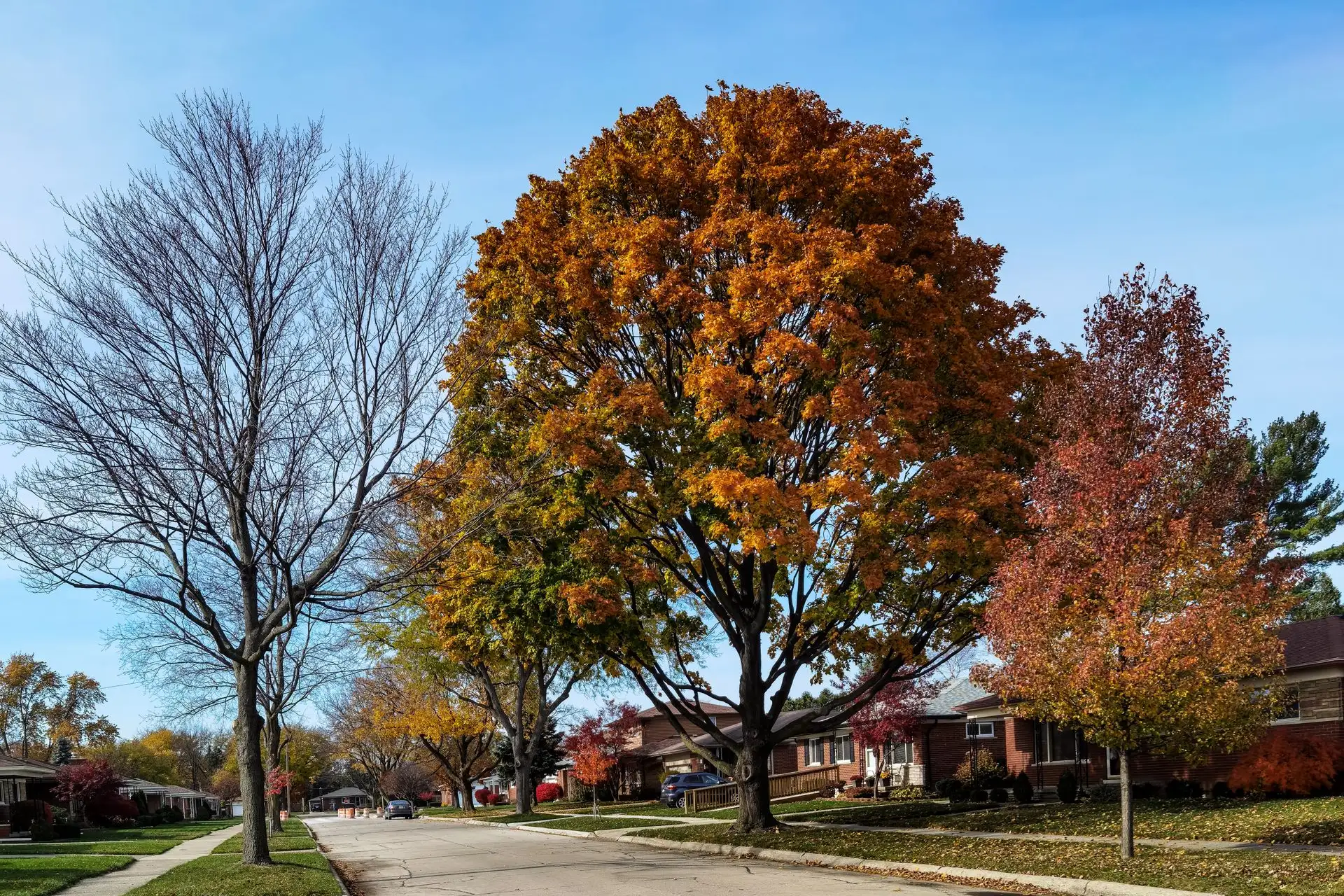
Lawn replacement in High Park, Toronto
A new lawn for High Park yards, planned for ground that dries fast. The old lawn is torn out, the sandy ground graded, fresh topsoil added and Kentucky Bluegrass sod laid, after a written plan.
A lawn on the High Park sand plain
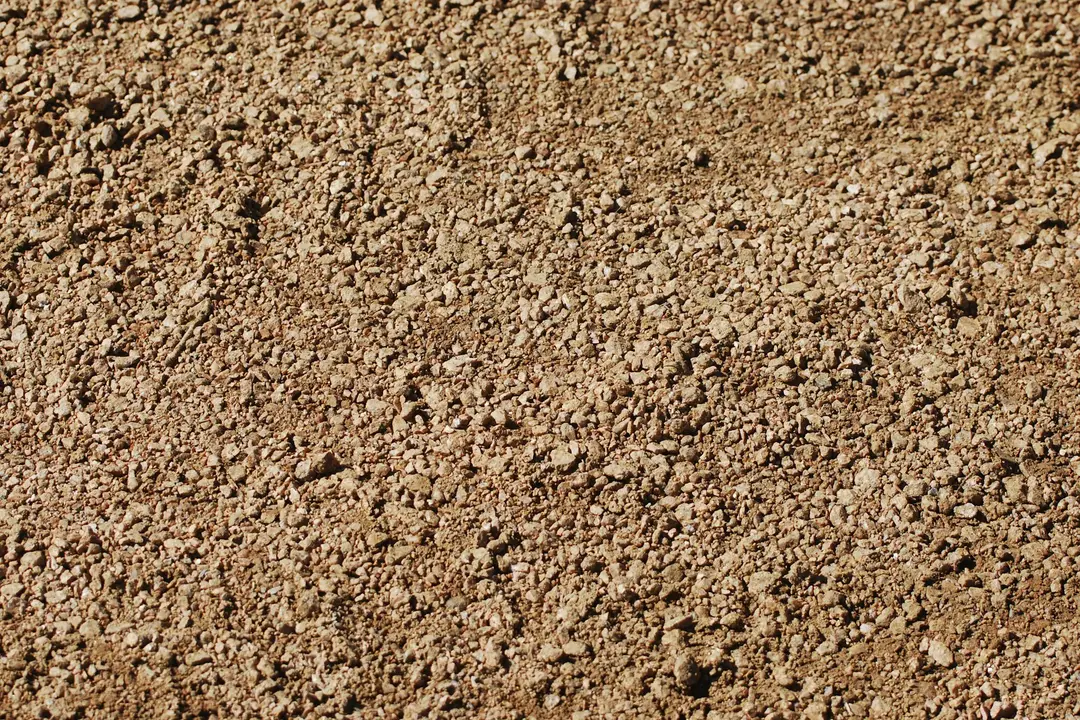
Your High Park lawn browns early in a dry spell, the hose never quite catches up, and a spade turns up pale sand a few centimetres down. That is the ground, not neglect. The fact sheet for the park's provincially significant oak woodlands places High Park on the dry soils of a sand plain, and a City planning study maps the blocks around High Park Avenue, north of Bloor Street West, in the same Sand Plains landform. We replace the whole High Park lawn: the old turf is torn out and hauled away, the ground is graded, fresh topsoil is added and Kentucky Bluegrass sod is laid.
John and Jemima Howard deeded their property to the City in 1873, and the houses came later: a City study of the blocks around High Park Avenue says most were built up with detached and semi-detached houses by the mid-1920s, before towers replaced many of them. They stand on the bed of glacial Lake Iroquois, which left sand and silty sand across the park. Sand gives up water and nutrients fast, so what goes under the sod and how a High Park lawn is watered in its first weeks decide how it does. A map describes a district, not one yard, so trust a spade in your own lawn.
What the sand changes in a High Park plan
| What we see here | What it changes |
|---|---|
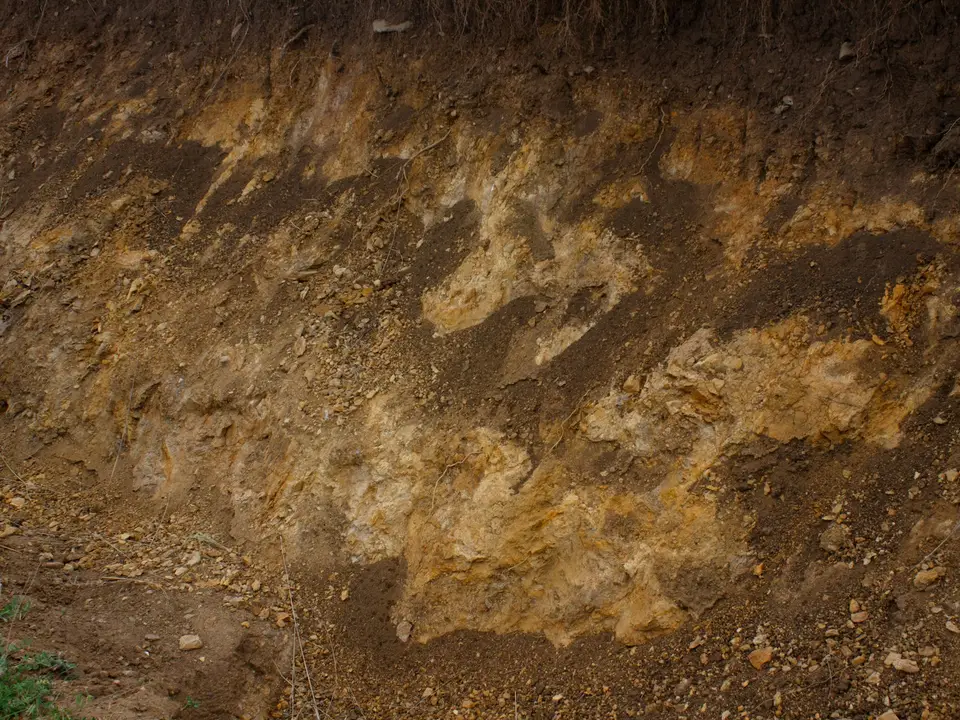
| Pale sand under a thin dark layer | Soil tests in the park found sandy loam with a topsoil layer from nothing to 14.5 centimetres thick, and yellow to orange sand under it. Where a High Park yard matches that, the plan puts fresh topsoil over the graded sand before any sod is laid. Exact scope and price are confirmed in the written plan. |
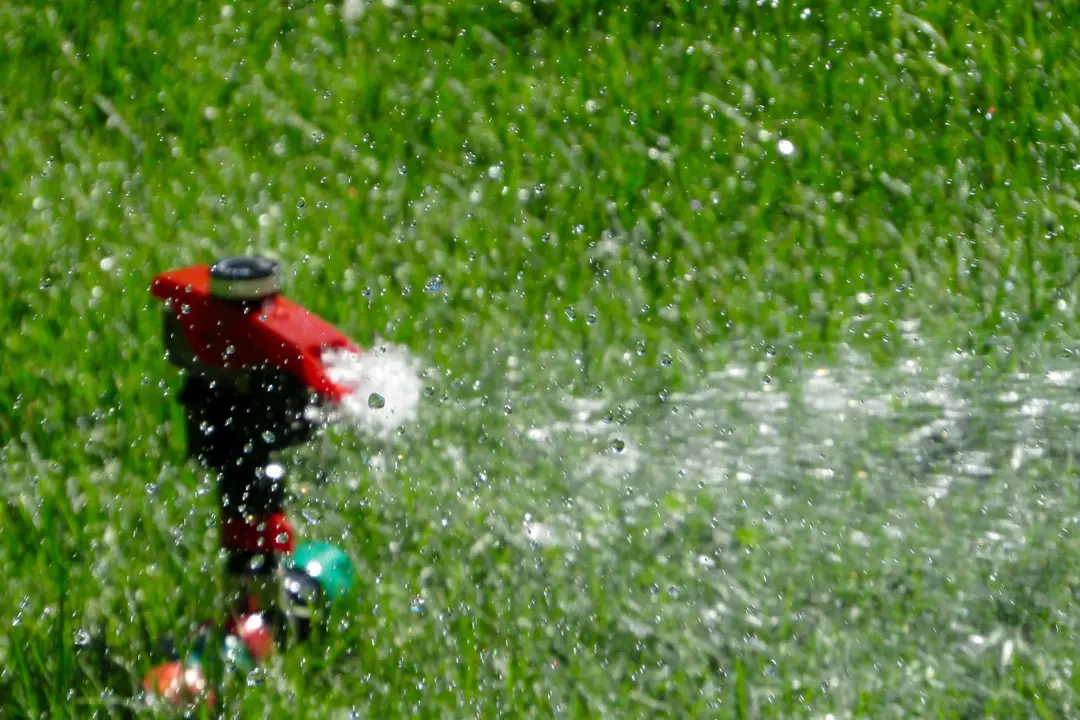
| Water that is gone by afternoon | The City's watering advice is once a week on clay and twice on sandy soil, about 2.5 centimetres a week in all. New sod is a different stage: it is watered as soon as it is laid and kept moist until it roots, as the care sheet left at a High Park job sets out. |
| What topsoil cannot change | Organic matter helps sandy soil hold water and nutrients, which is why fresh topsoil goes under the sod. It does not change the sand below. A High Park lawn on this ground will still want water more often than the once a week the City suggests for clay. |
Yards we replace in High Park
- Lawn levelling and regradingOn High Park's sandy ground the grade is reset under the new lawn, so dips are filled and water runs away from the house walls. Levelling and regrading are done as part of a whole-lawn replacement only; we do not offer top dressing on its own.
- Front yard lawn replacementA High Park front lawn often runs out to the City boulevard, the part of the public street that the owner beside it maintains.
- Backyard lawn replacementA High Park back lawn is replaced as one whole yard: the old turf lifted, the sand graded, fresh topsoil added and sod laid fence to fence.
- Lawn replacement costA High Park yard is priced by its area, and the cost page gives the size bands and two worked examples before you ask.
What a lawn replacement costs
Most whole-lawn replacements in Toronto run $2.25 – $4.50 a square foot, with a $1,500 minimum.
In High Park the price moves with the size of the yard and with how much grading the sandy ground needs once the old lawn is out. A yard whose grade has to be rebuilt takes more soil and more work than one that is nearly right. The size bands for a High Park yard are on the cost page.
Nearby
Old Toronto · Swansea · All areas
Questions from High Park
- Does a thin, dry lawn in High Park need replacing or just more water?
- Will new sod in High Park need more water than my old lawn did?
Does a thin, dry lawn in High Park need replacing or just more water?
Often it needs water and a higher cut, not a new lawn. The City suggests watering sandy soil twice a week and mowing at 6 to 7.5 centimetres, which helps roots hold water. If the grass is alive and only thin, try that first; it is not a job we take. If a High Park yard is mostly weeds or bare sand, send the planning form.
Will new sod in High Park need more water than my old lawn did?
In its first weeks, yes. New sod is watered as soon as it is laid and kept moist until it roots, which can mean watering every day in dry weather. After that the City's guide of about 2.5 centimetres a week, given in two waterings on sandy soil, applies in High Park. The care sheet left with you sets it out; before then, call (647) 243-6576.